All Categories
Featured
Table of Contents
- – Localizing the Digital Storefront for 2026 Wor...
- – Adjusting to Regional Payment Preferences and ...
- – Transparency in Duties, Taxes, and Landed Costs
- – Multi-Channel Distribution and Social Commerce...
- – Optimizing Mobile Checkout for High-Latency En...
- – Lowering Fraud Without Increasing Friction
- – The Function of Language and Cultural Nuance i...
- – The Value of Post-Purchase Communication

Localizing the Digital Storefront for 2026 Worldwide Markets
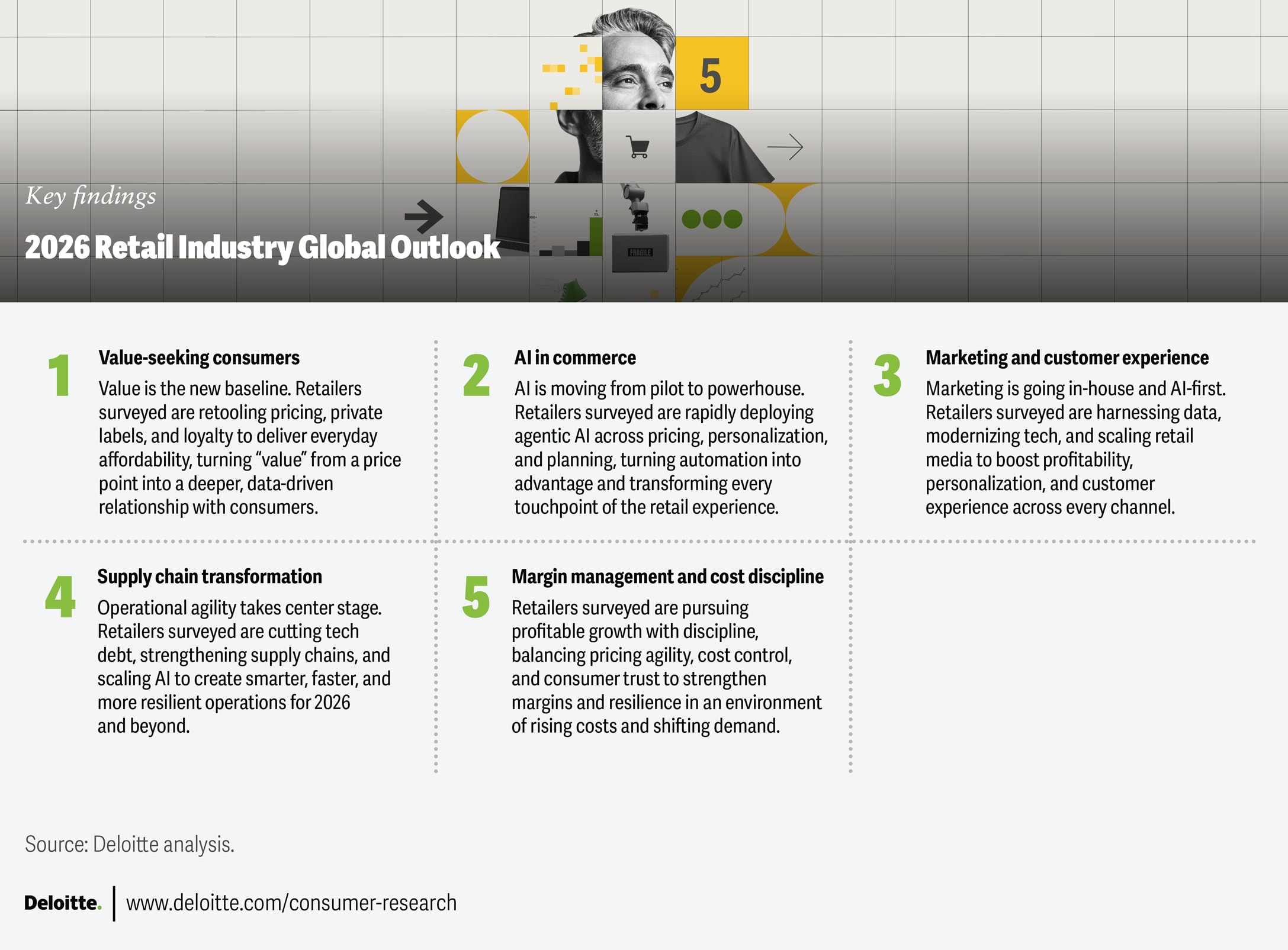
International commerce in 2026 has actually moved previous basic currency conversion. Buyers in various regions now anticipate a checkout procedure that feels belonging to their specific area, culture, and banking routines. A retail operation attempting to offer into Japan utilizing a basic North American checkout template typically deals with desertion rates surpassing 80 percent. The difficulty lies in the subtle differences of information entry, address formatting, and regional payment trust signals.Multi-channel circulation strategies now need a combined backend that can adjust its frontend discussion based on the buyer's IP address and verified identity. Sellers are moving away from monolithic platforms towards modular architectures. This enables a business to utilize agile checkout modules that can be swapped out or updated without taking the whole store offline.Address recognition is a primary friction point. In 2026, many areas have moved toward digital identity tokens for shipping, yet many checkout streams still need manual entry of street names and postcodes. Requiring a customer in a high-density urban center in Southeast Asia to complete a Western-style address form is a fast method to lose a sale. Modern streams use predictive area services that solve an address with two or 3 taps.
Adjusting to Regional Payment Preferences and Digital Wallets
The dominance of standard credit cards continues to wane. In 2026, the international payment map is fragmented into local digital wallets and decentralized finance choices. In Brazil, PIX-style instant payments are obligatory for any serious retailer. In parts of Europe, account-to-account (A2A) transfers have actually surpassed plastic. If a checkout flow does not prominently include the favored local wallet on the very first screen, the viewed threat for the consumer increases.Consumer trust is constructed through familiarity. When a shopper sees a localized trust badge or a familiar regional bank logo design, the psychological barrier to acquire drops. Effective international sellers typically utilize localized payment gateways to make sure that every transaction is processed through a domestic acquirer. This not only increases approval rates but likewise minimizes the foreign deal charges that frequently irritate consumers when they see their last bank statement.Sustained growth in new markets frequently needs competence in International Sales to make sure technical stability throughout regions. Without a steady technical structure, the most advanced payment choices will stop working if the latency in between the customer's gadget and the server goes beyond 200 milliseconds. Speed is a currency of its own in 2026.
Transparency in Duties, Taxes, and Landed Costs
Price openness stays the most considerable consider cross-border conversion. Nothing eliminates a consumer's commitment faster than a "delivery responsibility overdue" (DDU) notification where they need to pay additional fees at the doorstep. In 2026, the requirement for excellence is the "shipment task paid" (DDP) design, where every cent of tax, customizeds, and shipping is calculated in real-time and provided before the final click.Calculating these costs needs a deep integration with global trade databases. These systems must account for the current 2026 trade agreements and regional tax changes. Modern organizations frequently execute Strategic Platform Consolidation to handle sudden spikes in global traffic and guarantee that tax computations remain accurate during high-volume periods.The checkout flow need to plainly break down these expenses. Rather of an unclear "shipping and handling" line product, successful sellers reveal an in-depth breakdown. This clearness prevents "sticker shock" and decreases the volume of client service queries. When consumers see precisely what they are spending for, they feel a sense of control over the transaction, which is necessary for high-ticket global purchases.
Multi-Channel Distribution and Social Commerce Combination
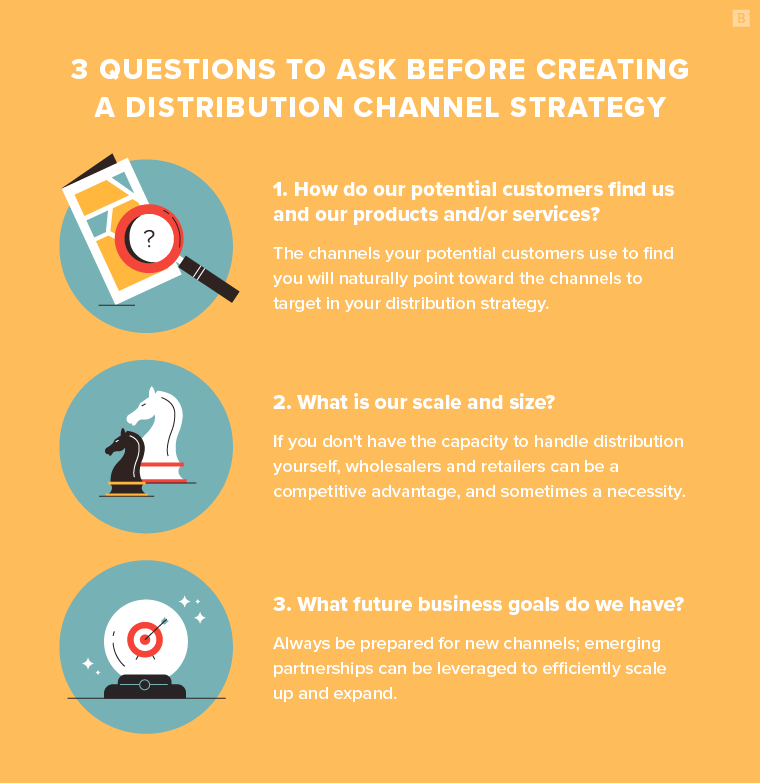
Retailers are no longer confined to their own websites. In 2026, a significant part of cross-border sales occurs within social media apps, messaging platforms, and third-party marketplaces. Each of these channels requires a specific checkout logic. A consumer buying a product through a video stream on a social platform expects a two-tap purchase. They do not desire to be redirected to an external web browser window where they have to re-enter their information.This fragmentation of the sales funnel implies the checkout circulation need to be portable. Headless commerce permits the "cart" to follow the user throughout various touchpoints. A user might begin a cart on a desktop at work, include a product by means of a voice assistant during their commute, and finish the purchase on a tablet at home.Managing this level of intricacy needs an advanced technique to information synchronization. The increasing interest in Enterprise Solutions within Wholesale reflects a more comprehensive shift towards regionalized logistics and dispersed order management. Each channel might have various inventory levels or shipping speeds, and the checkout flow need to reflect these realities in real-time to avoid overselling.
Optimizing Mobile Checkout for High-Latency Environments
Mobile stays the primary device for worldwide shoppers, particularly in emerging markets where desktop use is negligible. Mobile data speeds are not uniform globally. A checkout flow that is heavy with big JavaScript files or high-resolution imagery will fail in areas with spotty 5G protection or saturated 4G networks.Optimization in 2026 includes server-side making of checkout elements. By moving the heavy lifting far from the user's device, the checkout page loads almost quickly. Decreasing the number of HTTP requests during the last stages of the transaction is vital. Every additional second of packing time correlates with a quantifiable drop in successful payments.Biometric authentication has actually replaced the password for many mobile checkouts. Incorporating with native device features like face or finger print acknowledgment is now a baseline expectation. This not only speeds up the procedure however likewise offers a layer of security that is much harder to spoof than standard text-based qualifications.
Lowering Fraud Without Increasing Friction
Cross-border sales are frequently flagged by tradition scams detection systems due to the inequality in between the shipping address and the card's providing country. In 2026, AI-driven scams avoidance analyzes hundreds of information points-- from typing rhythm to device hardware signatures-- to verify identity without requiring the user to resolve puzzles or wait for SMS codes.The goal is "undetectable security." If a deal looks suspicious, the system ought to trigger a step-up authentication that is still easy to use, such as a fast biometric check. Forcing every worldwide client through a strenuous confirmation procedure will secure the merchant from fraud however will likewise destroy the conversion rate.Retailers are using advanced risk scoring engines to separate between high-risk areas and high-value clients. These engines discover from international patterns, acknowledging that a specific buying pattern in one nation might be completely normal while in another it represents a stolen identity. Data-sharing networks in between merchants have ended up being more common, enabling for a collective defense versus arranged retail criminal offense.
The Function of Language and Cultural Nuance in Checkout
Localization is more than simply equating "Purchase Now" into another language. It includes comprehending how different cultures view seriousness, worth, and personal privacy. For instance, some cultures choose an extremely comprehensive confirmation page that notes every spec of the item, while others choose a minimalist design that emphasizes the speed of delivery.Date formats, currency signs, and even the color of the "total purchase" button can influence behavior. In some markets, green represents success, while in others, it may be connected with different concepts. In 2026, A/B screening is often conducted on a per-region basis instead of worldwide. What works for a customer in Berlin will rarely be the ideal option for a client in Mexico City.Using regional design frameworks helps preserve brand consistency while permitting these needed local modifications. The architecture must be versatile sufficient to enable regional teams to modify the UI without breaking the core reasoning of the deal engine.
The Value of Post-Purchase Communication
The checkout flow does not truly end until the package is in the consumer's hands. For cross-border sales, the "order success" page is just the start of a high-anxiety period for the buyer. Providing a clear, localized tracking portal is important. Clients need to see where their package remains in the worldwide logistics chain, including when it clears custom-mades and when it is handed off to a local courier.In 2026, these updates are frequently delivered through local messaging apps like WhatsApp, WeChat, or Line, rather than email. Automated notifications must be in the client's native language and ought to supply clear instructions if any action is required, such as determining a safe drop-off location.A smooth return process is likewise a part of the checkout's long-lasting optimization. If a worldwide client understands that returning a product is difficult, they will be much less likely to complete the preliminary purchase. Providing local return hubs or pre-paid international return labels can be the choosing factor for a hesitant buyer.By concentrating on these technical and mental elements, sellers can construct a cross-border method that thrives in the complicated environment of 2026. Success is found in the information of the transition from an international brand to a local shopping experience.

Table of Contents
- – Localizing the Digital Storefront for 2026 Wor...
- – Adjusting to Regional Payment Preferences and ...
- – Transparency in Duties, Taxes, and Landed Costs
- – Multi-Channel Distribution and Social Commerce...
- – Optimizing Mobile Checkout for High-Latency En...
- – Lowering Fraud Without Increasing Friction
- – The Function of Language and Cultural Nuance i...
- – The Value of Post-Purchase Communication
Latest Posts
Developing a Robust Growth Marketing and Long-Term ROI
Boosting Total Value With Data
Boosting Shop Sales Via Strategic Content Marketing
Latest Posts
Developing a Robust Growth Marketing and Long-Term ROI
Boosting Total Value With Data
Boosting Shop Sales Via Strategic Content Marketing